
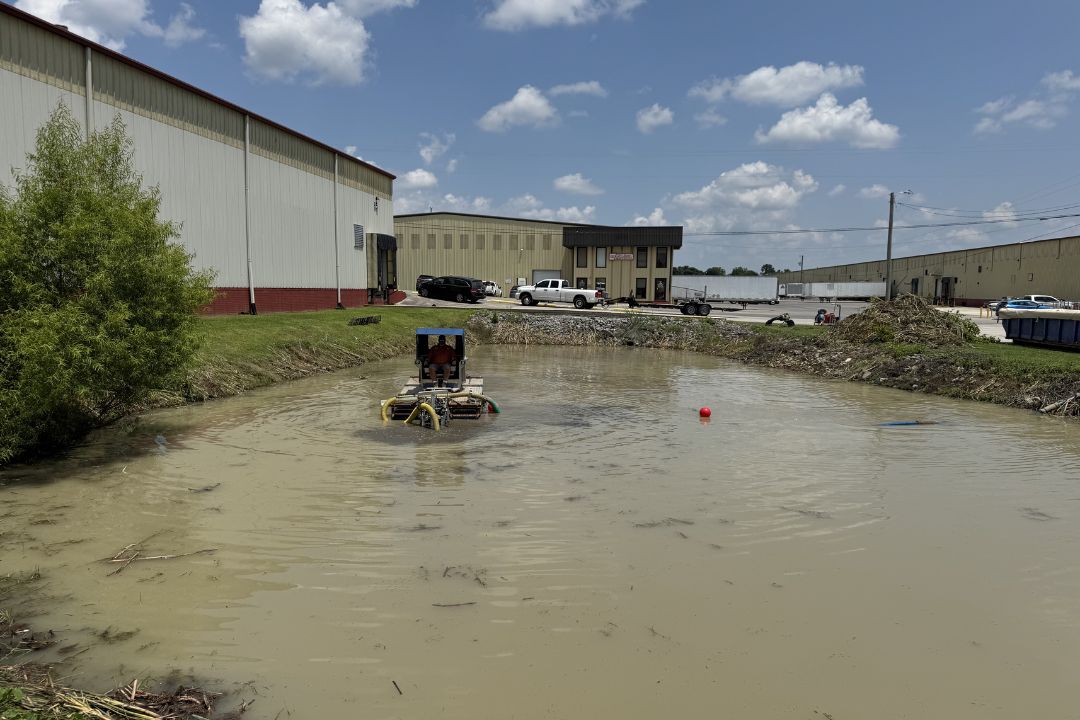
Pond dredging may not be top-of-mind until problems start piling up, but by then, you could be dealing with more than just murky water. Whether you’re a golf course superintendent, a private landowner, or managing a retention pond, recognizing the signs early can save you time, money, and even your pond.
Let’s walk through the most common signs that it’s time to dredge, and what could happen if you keep putting it off.
What Is Pond Dredging?
Pond dredging is the process of removing built-up sediment from the bottom of a pond using specialized equipment. Over time, leaves, algae, and runoff accumulate and reduce your pond’s depth, water quality, and performance.
At Tennessee Aquatic Weed Removal, we use hydraulic dredging, which allows us to remove sediment without bringing in heavy machinery that tears up your landscape.
5 Signs It’s Time to Dredge Your Pond
Your Pond Is Much Shallower Than It Used to Be
Sediment slowly fills in your pond over time, and if it feels like your pond is shrinking, especially after a rainstorm, it probably is. Shallower water warms faster, which leads to algae blooms and fish kills.
There’s a Persistent Odor or Rotten Smell
Muck and organic buildup at the bottom of the pond can create anaerobic conditions, releasing foul-smelling gases like sulfur. If your pond smells like rotten eggs, it may be time to dredge.
You See More Weeds and Algae Than Ever Before
Sediment provides a perfect base for invasive aquatic weeds to take root. If you’ve tried treatments or mechanical removal and they keep coming back, dredging might be the real solution.
Stormwater Overflow or Irrigation Isn’t Working
Retention and irrigation ponds must maintain their capacity to work properly. If stormwater isn’t draining like it used to, or your pump system is struggling, excess sediment could be the cause.
Wildlife and Fish Are Disappearing
As oxygen levels drop and water quality declines, fish and other aquatic life will suffer. If you’ve noticed fewer frogs, fish, or birds around your pond, it could be a sign that the ecosystem is out of balance.
What Happens If You Wait Too Long to Dredge?
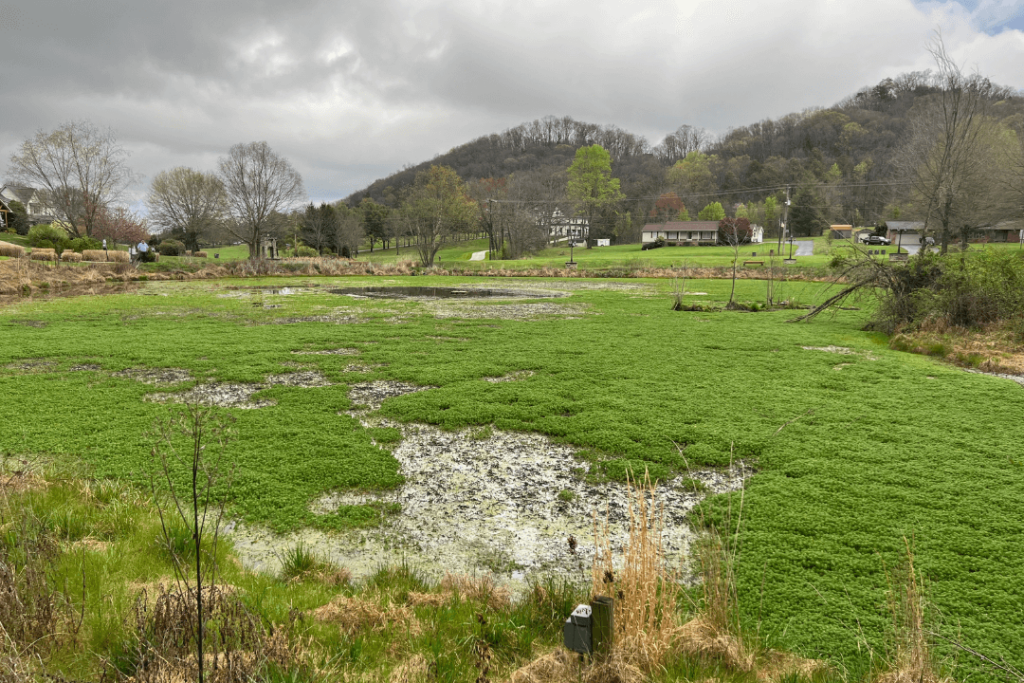
Ignoring the warning signs won’t make them go away. In fact, the longer you wait, the more complex (and costly) the solution becomes. Here’s what we often see when dredging is delayed:
- Total vegetation takeover that requires multiple treatments
- Structural damage to pond banks or overflow structures
- Loss of function in irrigation and stormwater systems
- Severe fish kills due to low oxygen and toxic buildup
- Higher long-term costs to restore what could’ve been maintained
Don’t Wait Until It’s a Problem, Be Proactive
If you’re searching for “pond dredging near me” in Tennessee, chances are your pond is showing signs of stress. That’s where we come in. At Tennessee Aquatic Weed Removal, we’ve helped homeowners, golf courses, HOAs, and cities restore their ponds without damaging their property.
Our team will assess your pond, explain your options clearly, and develop a plan that fits your timeline and budget.
FAQ
If your pond is shallower than it used to be, smells bad, has excessive weeds or algae, or isn’t draining properly, it may need dredging.
Sediment builds up over time due to decaying plants, runoff, organic matter, and erosion. This can reduce water depth and cause water quality issues.
Yes. Waiting too long can lead to invasive plant growth, water circulation problems, fish kills, and higher costs to restore your pond’s function.
Hydraulic dredging uses pumps to remove sediment with minimal impact to the surrounding area, while mechanical dredging typically uses heavy machinery and can disturb your landscape.
Dredging costs vary depending on the size of your pond, the amount of sediment, and disposal needs. We offer free custom quotes after reviewing your specific situation.