
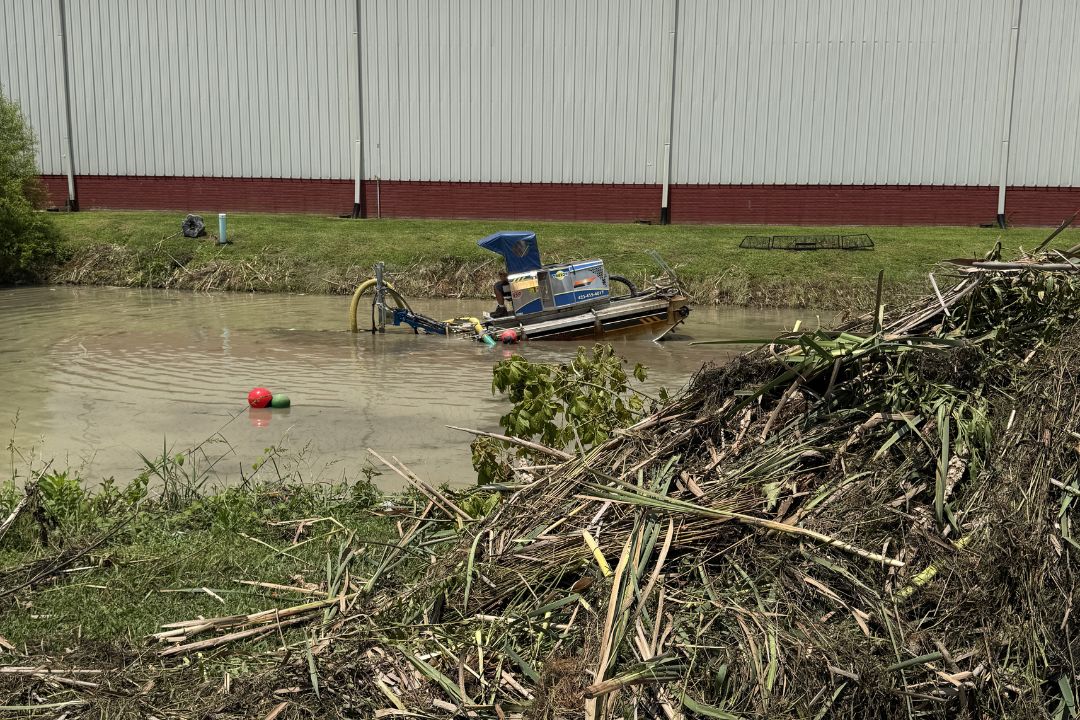
If you’re considering dredging your pond, you’re likely wondering what the process actually looks like, from getting a quote to completing the job. At Tennessee Aquatic Weed Removal, we believe in keeping things simple, honest, and transparent. Whether you’re a homeowner, a golf course manager, or overseeing a commercial property, this blog will walk you through exactly how our dredging process works.
Step 1: Site Evaluation – Why We Need to See Your Pond
Before we can give you a quote, we need to understand your pond, its size, sediment depth, access points, and where we can safely discharge the material. We offer site visits to inspect:
- The area around the pond (is there space for hoses and equipment?)
- The depth and volume of sediment
- The best discharge method for the removed material
We’ll also talk through your goals for the pond, whether you’re restoring it for aesthetics, function (like irrigation or stormwater), or environmental health.
Step 2: Choosing a Sediment Discharge Option
Once we understand your pond and property layout, we’ll help you choose how to handle the sediment after it’s removed. You’ve got two main options:
Option 1: Pumping Sediment Directly Onto the Ground
This is the most cost-effective option and works great if you have a wooded, unused, or lower-lying area on your property.
Pros:
- No additional cost for containment
- Simple setup
Cons:
- The discharged material can be messy and unsightly
- Needs a good slope to prevent the sediment from washing back into the pond
We typically recommend this for residential or rural properties with enough space to let the sediment settle naturally.
Option 2: Using Dewatering Bags
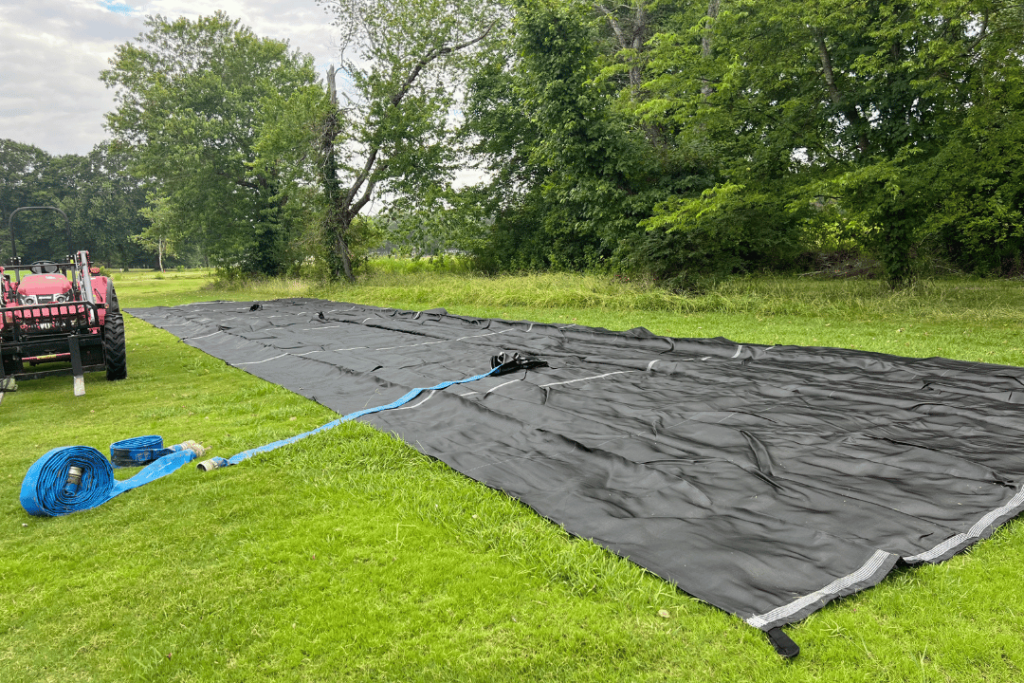
If you want a cleaner look or have a smaller space, dewatering bags are a better option. These large, heavy-duty bags contain the sediment and allow water to slowly drain off while the solids stay inside.
Pros:
- Neater, more controlled appearance
- Contained process
Cons:
- They take up space
- They add to the overall cost of the project
These are ideal for commercial properties, golf courses, and residential areas with limited discharge space.
Step 3: Getting Your Quote
Once we’ve gathered all the information from the site visit and you’ve chosen a discharge method, we’ll put together a custom quote based on:
- The size of the pond
- The volume of sediment to be removed
- The equipment and crew required
- Any special considerations for your site or discharge method
Step 4: Scheduling and Preparing for the Job
After you approve the quote, we’ll schedule your dredging job at a time that works for you.
When we arrive, we’ll:
- Prep the site
- Lay out hoses and secure dewatering bags if needed
- Set up all safety equipment
- Begin pumping sediment from the pond
Depending on the size of your pond, jobs can take anywhere from 2–3 days to multiple weeks. We’ve completed small private jobs and larger commercial dredging projects for golf courses; no job is too big or small.
Step 5: Finishing the Job and Cleanup
Once dredging is complete, we’ll make sure the site is left in good condition. If we used dewatering bags, they’ll remain on-site to continue draining. These bags can take a bit of time to fully dewater, depending on conditions like weather and how much sediment was removed.
Disposal of the dried solids is up to the property owner, but we’ll walk you through your options. If the sediment is not contaminated, it can often be reused as soil or compost. If needed, we can help you coordinate local disposal via roll-off dumpsters or hauling services.
Our Promise: A Clean, Safe, and Transparent Process
Dredging doesn’t have to be overwhelming. Our goal is to make it as straightforward and stress-free as possible. By walking you through the process, giving clear quotes, and completing the job with care and professionalism, we help you enjoy a cleaner, deeper, and healthier pond without any surprises.
We conduct a site evaluation to assess sediment depth, pond size, and discharge options. Based on these details, we provide a custom quote.
You can discharge sediment directly onto the ground if space allows or use dewatering bags for a cleaner, more contained option. Each method has pros and cons.
It depends on the size of the pond and the amount of sediment. Small jobs may take 2–3 days, while large ponds can take several weeks.
The property owner is responsible for sediment disposal. We can help you explore local options or coordinate dumpster service if needed.
The bags remain onsite to allow the sediment to fully drain and dry. Once dry, the material can be repurposed or removed, depending on your needs.